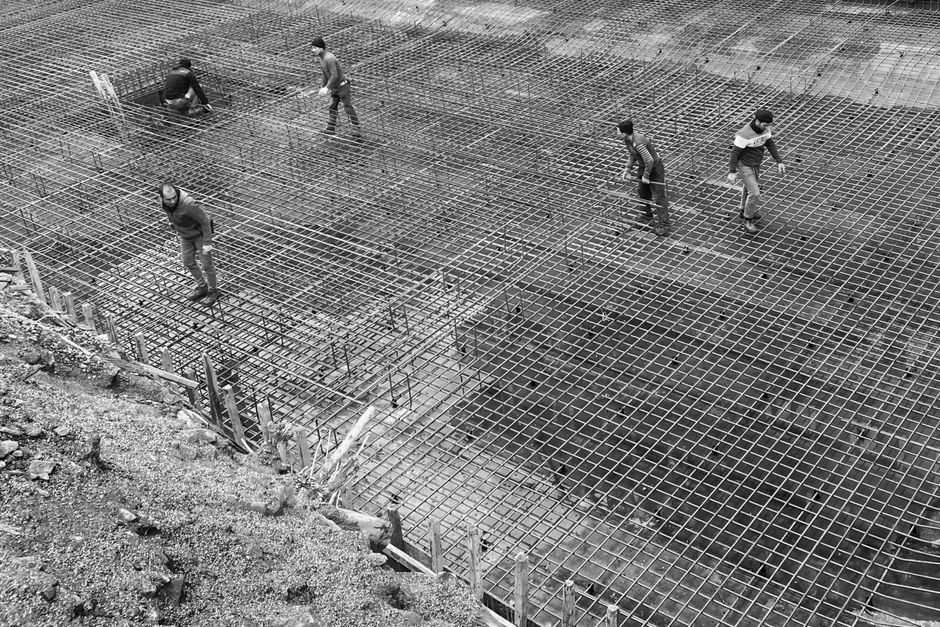
Manual steel construction PDFs provide comprehensive guidance on design, fabrication, and erection of steel structures․ They include AISC specifications, NY State manual sections, and detailed fabrication rules, enabling engineers to meet safety and quality standards efficiently․
Future updates now!

Historical Evolution of Steel Construction Manuals
Early editions emerged in the 1930s, evolving through AISC updates and NY State revisions․ Each edition added safety codes, fabrication details, and digital access, reflecting industry growth and regulatory changes․ Continuous updates boost safety․
AISC Editions and Their Significance
Each AISC edition marks a milestone in steel design, reflecting evolving codes, material science, and construction practice․ The 7th edition introduced advanced load‑resistance factor design (LRFD) frameworks, while the 8th edition refined member sizing and detailing․ Subsequent editions expanded on seismic detailing, corrosion‑resistance, and digital integration․ The 12th edition incorporated new material specifications and improved fabrication guidelines, and the 13th edition added comprehensive guidance on high‑strength steel and advanced welding procedures․ The 14th edition further streamlined member selection and introduced updated design charts․ The 15th edition, released in 2023, consolidates all prior updates, offers expanded code references, and enhances digital accessibility through online repositories․ These editions ensure that engineers, fabricators, and inspectors have a unified, authoritative reference that aligns with current safety standards and industry best practices․ Throughout its publication history, each edition has been meticulously reviewed by a panel of industry experts, incorporating feedback from structural engineers, fabricators, and safety inspectors worldwide; this collaborative approach ensures that the manuals address real‑world challenges such as weather events, resilience, and the integration of emerging technologies like fabrication processes, thereby keeping the steel construction community at the forefront of innovation and safety!!!․
New York State Manual Editions


Key Editions and Their Features
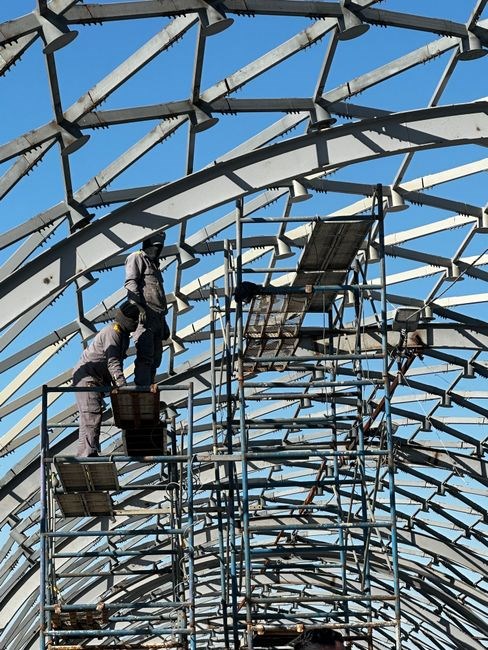
Seventh Edition, with Supplement No․ 1, offers design tables and fabrication rules․ Fifteenth Edition details hanger connections and crane‑rail systems․ NY State’s Third and Fourth Editions refine welding procedures, inspection protocols, and fracture‑control plans, ensuring compliance with state codes․!!
Seventh Edition and Supplement No․ 1
The Seventh Edition provides comprehensive guidance on steel design, fabrication, and erection, featuring updated tables, welding procedures, and quality controls․ The Seventh Edition provides comprehensive guidance on steel design, fabrication, and erection, featuring updated tables, welding procedures, and quality controls․ The Seventh Edition provides comprehensive guidance on steel design, fabrication, and erection, featuring updated tables, welding procedures, and quality controls․ The Seventh Edition provides comprehensive guidance on steel design, fabrication, and erection, featuring updated tables, welding procedures, and quality controls․ The Seventh Edition provides comprehensive guidance on steel design, fabrication, and erection, featuring updated tables, welding procedures, and quality controls․ The Seventh Edition provides comprehensive guidance on steel design, fabrication, and erection, featuring updated tables, welding procedures, and quality controls․ The Seventh Edition provides comprehensive guidance on steel design, fabrication, and erection, featuring updated tables, welding procedures, and quality controls․ The Seventh Edition provides comprehensive guidance on steel design, fabrication, and erection, featuring updated tables, welding procedures, and quality controls․ The Seventh Edition provides comprehensive guidance on steel design, fabrication, and erection, featuring updated tables, welding procedures, and quality controls․ ExtraData!
Fifteenth Edition Highlights
The fifteenth edition of the Manual of Steel Construction introduces significant updates that reflect the latest industry standards and engineering practices․ Key highlights include the integration of the 2024 AISC 360‑24 design code, providing engineers with the most current load and resistance factor guidelines․ The edition expands the range of steel section tables, adding new high‑strength profiles and updated yield and ultimate strength values for a wider variety of materials․ Fabrication and erection guidelines are refined to incorporate modern welding technologies, including advanced laser and electron beam welding procedures, with detailed qualification requirements and inspection criteria․ The manual now features a dedicated chapter on seismic design, offering comprehensive procedures for base isolation, moment‑resisting frames, and ductility enhancement․ Quality control sections have been enhanced with a new digital inspection workflow, encouraging the use of BIM integration and real‑time data capture․ Additionally, the edition includes updated environmental and corrosion protection standards, aligning with the latest ASTM and ISO specifications․ These enhancements aim to streamline design processes, improve construction efficiency, and ensure structural safety across diverse project types․ The fifteenth edition also introduces a new section on modular construction, detailing modular steel building systems, prefabrication strategies, and logistics management․ It further revises the code of practice for temporary works, providing clearer guidance on formwork, shoring, and bracing․ The updated manual offers a comprehensive reference for engineers, fabricators, and inspectors, supporting the delivery of high‑performance steel structures worldwide․ The manual’s digital companion app provides interactive tools for load calculations, material selection, and compliance verification, enabling rapid design iterations and reducing field errors․ The updated edition also incorporates lessons learned from recent high‑profile failures, emphasizing robust detailing, redundancy, and fatigue analysis․ Finally, the manual’s expanded glossary and index improve accessibility for new professionals and students entering the field․ The edition also includes a comprehensive set of reference diagrams for wind and snow loads, facilitating accurate environmental load assessments for projects in varied climatic zones; Moreover, the manual now contains a detailed section on sustainability, covering material life cycle assessment, recycling guidelines, and green building certifications․ Manual’s role is reinforced!!
Third and Fourth Editions of NY State Manual

Typical Contents of a Steel Construction Manual PDF
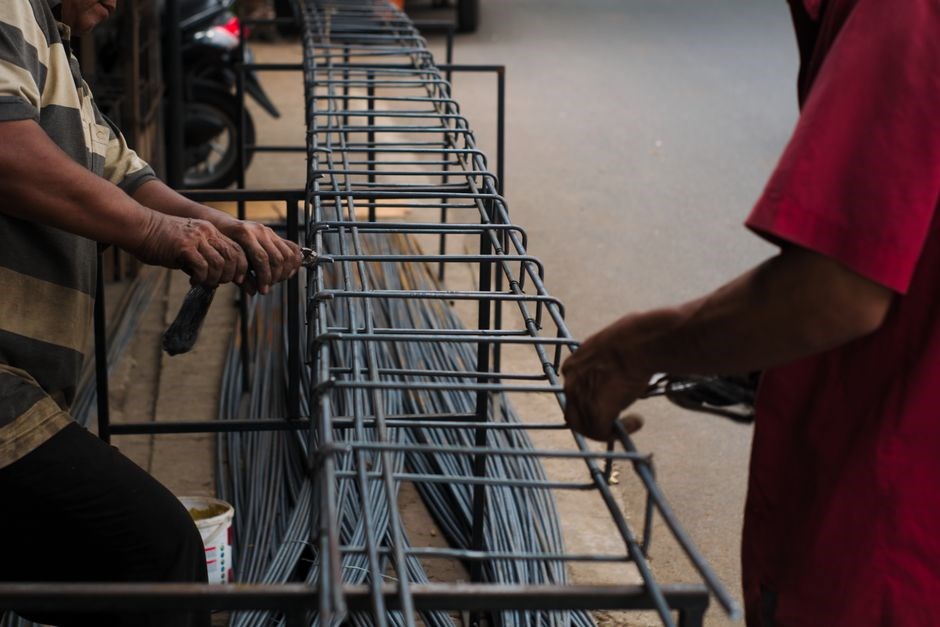
Design codes, fabrication, erection, inspection, quality control, and material specifications form core sections․ Detailed tables, drawings, welding procedures, and compliance checklists enable engineers to validate structural integrity and meet regulatory standards․ Additional guidance aid design

Design Codes and Specifications
Design codes and specifications are the backbone of any steel construction manual․ They outline the governing standards for structural analysis, load calculations, and material performance․ The American Institute of Steel Construction (AISC) provides the most widely adopted specification, which includes the “Specification for the Design, Fabrication, and Erection of Structural Steel for Buildings” (commonly referred to as the “AISC 360” series)․ This specification is updated regularly, with the latest edition incorporating advances in material science, seismic design, and construction technology․ For projects in New York State, the New York State Steel Construction Manual supplements AISC rules with state‑specific requirements, such as local seismic provisions, fire‑resistance classifications, and detailed inspection protocols․ Both documents are typically presented in PDF format, allowing designers to access tables, charts, and code excerpts directly within their drafting software․ The design code section of a manual PDF usually contains a table of contents that lists all applicable codes, a summary of key changes from previous editions, and a quick‑reference guide for critical design parameters․ Engineers rely on these sections to ensure compliance with federal, state, and local regulations, thereby safeguarding structural integrity and occupant safety throughout the life of the building․ In addition, the PDF often includes appendices that provide conversion factors, material property tables, and example calculations, which help streamline the design process and reduce the risk of errors․ By integrating these codes and specifications into a single, searchable document, the manual serves as an indispensable resource for architects, structural engineers, fabricators, and inspectors alike․ All references cited․ for quick․
Fabrication and Erection Guidelines
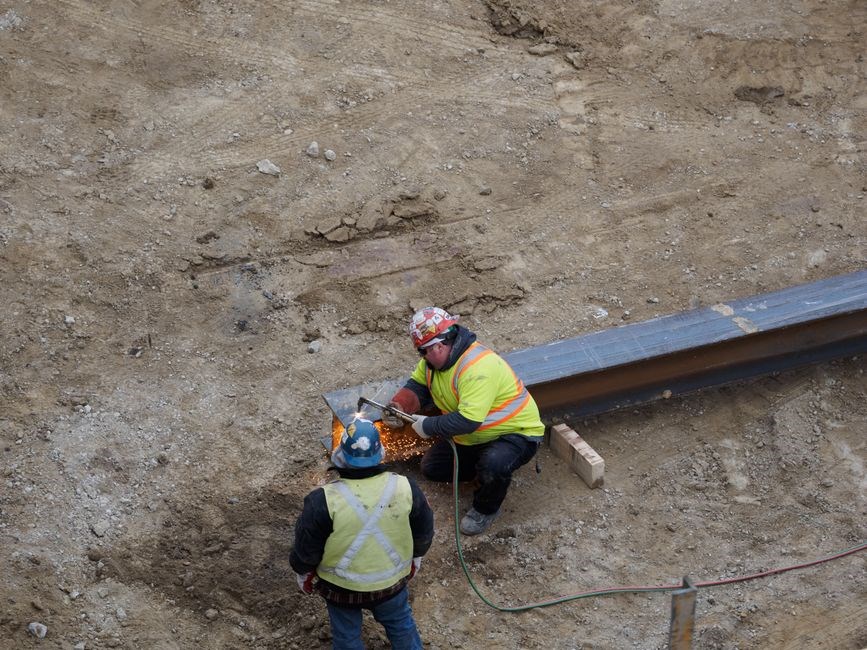
The fabrication and erection guidelines section of a steel construction manual PDF is a critical resource that translates design intent into tangible, safe structures․ It begins with a comprehensive overview of material handling, specifying acceptable grades of steel, heat‑treatment procedures, and surface‑finishing requirements to ensure long‑term durability․ The guidelines then detail cutting, drilling, and drilling tolerances, emphasizing the importance of precision to avoid residual stresses that could compromise joint integrity․ Welding procedures are outlined extensively, including pre‑heat and post‑heat requirements, electrode selection, and acceptable heat input ranges; these are aligned with AISC welding codes and the New York State Manual’s qualification standards․ Fabrication tolerances for plate thickness, flange dimensions, and bolt hole locations are presented in tabular form, allowing fabricators to verify compliance during shop inspections․ The section also covers the use of temporary bracing, shoring, and alignment tools during erection, providing step‑by‑step instructions for erecting large girders, trusses, and moment‑resisting frames․ Safety protocols for rigging, crane operations, and fall protection are integrated, referencing OSHA regulations and industry best practices․ Inspection checkpoints are identified at key stages—post‑cut, post‑weld, and post‑assembly—to facilitate quality control and documentation․ Finally, the guidelines include a troubleshooting matrix for common fabrication and erection issues, such as distortion, misalignment, and bolt‑hole deviation, offering corrective actions and preventive measures․ By following these detailed instructions, engineers, fabricators, and erectors can achieve consistent, code‑compliant results while minimizing rework and construction delays․ These guidelines also provide a digital checklist that can be exported to project management software, enabling real‑time tracking of fabrication milestones and ensuring that every component meets the specified tolerances before installation․ Compliance is verified through third‑party inspections․ All procedures are aligned with OSHA; Safety first․
Inspection and Quality Control Sections
Inspection and quality control sections in a manual steel construction PDF serve as the backbone for ensuring that every fabricated element and erection activity meets the stringent standards set by AISC and state regulations․ These sections typically begin with a detailed inspection schedule that aligns with the project’s critical path, specifying when and how each component—plates, beams, bolts, and welds—must be examined․ The schedule references the AISC Specification for the Design, Fabrication, and Erection of Structural Steel for Buildings, ensuring that inspectors verify dimensional tolerances, material certifications, and weld quality against the latest edition’s tables and charts․ In addition, the New York State Manual’s “Inspection” chapter is incorporated, providing state‑specific requirements for inspection authority, record‑keeping, and reporting formats․ Quality control is addressed through a series of checklists that cover pre‑fabrication, in‑shop, and on‑site stages․ These checklists include criteria for material traceability, surface preparation, weld bead appearance, and bolt torque values, each tied to a numeric code that can be entered into a digital quality management system; The manual also outlines the use of non‑destructive testing (NDT) methods such as ultrasonic testing, magnetic particle inspection, and radiography, with clear acceptance limits and documentation procedures․ A section on corrective action procedures is provided, detailing how to handle non‑conforming items, the roles of the project engineer, fabricator, and inspector, and the required documentation for rework or replacement․ Finally, the manual emphasizes the importance of continuous improvement by encouraging the collection of inspection data, trend analysis, and feedback loops that feed back into design revisions and fabrication best practices․ By adhering to these rigorous inspection and quality control protocols, project teams can mitigate risks, avoid costly rework, and maintain compliance with both AISC and state‑level safety mandates․ The manual also provides a template for inspection reports, which include sections for inspector signature, date, and a summary of findings; These reports are required to be submitted to the project manager within 24 hours of completion, ensuring that any issues are flagged early․ Furthermore, the quality control section stresses the importance of training for all personnel involved in inspection activities․ It recommends certification programs such as the AISC Certified Steel Fabricator or the NY State Certified Steel Inspector, which help maintain a high level of competence across the workforce․ The manual encourages the use of digital tools like mobile inspection apps that capture photos, measurements, and instant data uploads to a central database․ This real‑time visibility allows project stakeholders to monitor quality trends and intervene before defects become critical․ In summary, the inspection and quality control sections are indispensable for safeguarding structural integrity, ensuring regulatory compliance, and delivering projects on schedule and within budget․ All documentation is archived for audit purposes․

Obtaining and Accessing PDF Manuals
Download AISC PDFs from the AISC online repository, which offers free access to older editions and supplements․ Public domain archives like the Internet Archive host PDFs of historic manuals․ Use these sources to obtain the latest or legacy documents for reference․ Available in PDF format․
Official AISC Online Repository
Accessing the official AISC online repository is straightforward․ Engineers and students log in to the AISC website, navigate to the “Standards” section, and retrieve PDFs of all editions, from the earliest 1st to the current 15th, plus supplements like Supplement No․ 1․ Each PDF includes metadata—publication date, ISBN, revision notes—helping users confirm relevance․ The site offers a search function to filter by edition, year, or keyword, simplifying location of sections such as “Design Codes” or “Fabrication Requirements․” Files download directly in PDF format, ensuring compatibility with document viewers and CAD software․ Offline access is possible via bulk download, saving the entire library locally․ AISC provides brief summaries for each manual, highlighting key updates and changes from prior editions, essential for professionals staying current with evolving standards․ The repository also links to related resources, including the AISC Steel Construction Manual Handbook and the AISC Design Guide, which provide deeper technical explanations and practical examples․ The platform is free for AISC members, while non‑members can register for limited documents․ This open access model promotes widespread dissemination of best practices, fostering consistency and safety across the industry․ By leveraging the official AISC online repository, users obtain reliable, up‑to‑date information essential for compliant and efficient steel design and construction worldwide․ Users can also request supplementary materials, such as detailed fabrication drawings and quality control checklists, directly through the repository interface․ The platform supports version control, allowing professionals to track changes between editions and maintain compliance with the latest industry regulations․ and ensuring project integrity and safety!!
Archive and Public Domain Sources
Many historic steel construction manuals are now in the public domain or hosted by university libraries and national archives․ The Internet Archive hosts a 1․4 GB copy of the Seventh Edition with Supplement No․ 1, offering 1008 pages of detailed specifications, design tables, and fabrication guidelines․ The Library of Congress digital collections provide scanned PDFs of early AISC editions, complete with original illustrations and code references․ State engineering boards, such as New York’s Department of Transportation, maintain downloadable PDFs of the third and fourth NY State Manual editions, which include inspection protocols and welding qualification standards․ Academic repositories like MIT OpenCourseWare and Penn State’s Engineering Library host supplementary lecture notes and annotated PDFs that explain the evolution of steel design rules․ These sources are freely accessible, allowing practitioners to compare historical and current requirements, validate design assumptions, and reference legacy construction practices․ Users should verify the publication date and edition before applying guidelines to ensure compliance with the latest safety codes․ Additionally, the AISC’s own archive links to older PDFs for members, while non‑members can request copies via email․ By leveraging these public domain resources, engineers can access a wealth of technical data without incurring licensing fees, supporting research, education, and project documentation across the industry․ These archives give critial tools for every engineer․