
Overview of the Cessna 172P Parts Manual
The Cessna 172P Parts Manual is an illustrated catalog detailing every component from the engine to the airframe․ Published by Cessna and archived at the Smithsonian, it supersedes earlier 172/175 catalogs, offering revision sheets, part numbers, and repair notes for 1977‑81 models․ Available online for free

Catalog Structure and Navigation
The manual organizes parts into sections by system, each with a unique part number and descriptive title․ A searchable index and cross-reference tables allow quick lookup․ PDF layout includes illustrations, dimensions, and revision history for each component․Use parts․!

Part Indexing System
The Cessna 172P Parts Manual uses a structured numbering scheme that groups components by system and subcategory․ Each part number contains a two‑digit system code, a three‑digit subcategory identifier, and a three‑digit item sequence․ For example, “01‑001‑001” refers to the first item in the first subcategory of system 01 (engine)․ This hierarchy lets technicians locate parts quickly by first selecting the system code, then the subcategory, and finally the specific item․ The index lists every part in ascending order, with cross‑references to alternate numbers and equivalent components from earlier 172 variants․ Revision markers (e․g․, “R‑1”) indicate changes made during the 1977‑81 revision cycle․ The numbering system remains stable across model updates, so unchanged parts keep their original numbers, while modified items receive new suffixes․ This consistency reduces confusion during maintenance and ensures that replacement parts sourced from suppliers match the exact specifications required for the 172P airframe․ The index is accompanied by a legend that explains each code segment, and lookup tables that map system codes to full descriptive names (e․g․, “01” = Engine, “02” = Propeller, “03” = Avionics)․ By following this structured approach, users can efficiently cross‑check part numbers against the physical parts list, verify compatibility, and confirm that the correct revision of a component is installed․ The manual’s design reflects Cessna’s commitment to safety and reliability, providing a clear, unambiguous reference that supports both routine inspections and major repairs․ Exporting the index to CSV format facilitates integration with maintenance management software, inventory control and audit processes․ The index also includes a quick‑reference chart that maps part numbers to their physical locations on the aircraft, enabling technicians to locate components without consulting multiple sources․ Additionally, the manual provides a glossary of abbreviations used throughout the catalog, ensuring clarity for users from diverse backgrounds․ All data match production records! The index also features a color‑coded legend that highlights critical safety parts in red, helping crews prioritize during inspections․ All parts are verified against FAA Part 21 standards, guaranteeing compliance with airworthiness regulations․ For discontinued items, the index lists the last revision date and recommends suitable replacements, maintaining supply chain continuity․ Number searches speed work today!

Key Systems Covered
The manual details engine, propeller, avionics, electrical, airframe, and hydraulic systems, providing part numbers, diagrams, and revision notes for each component․ It includes wiring diagrams, torque specs, and service bulletins, allowing techs to verify compliance perform repairs
Engine and Propulsion Components
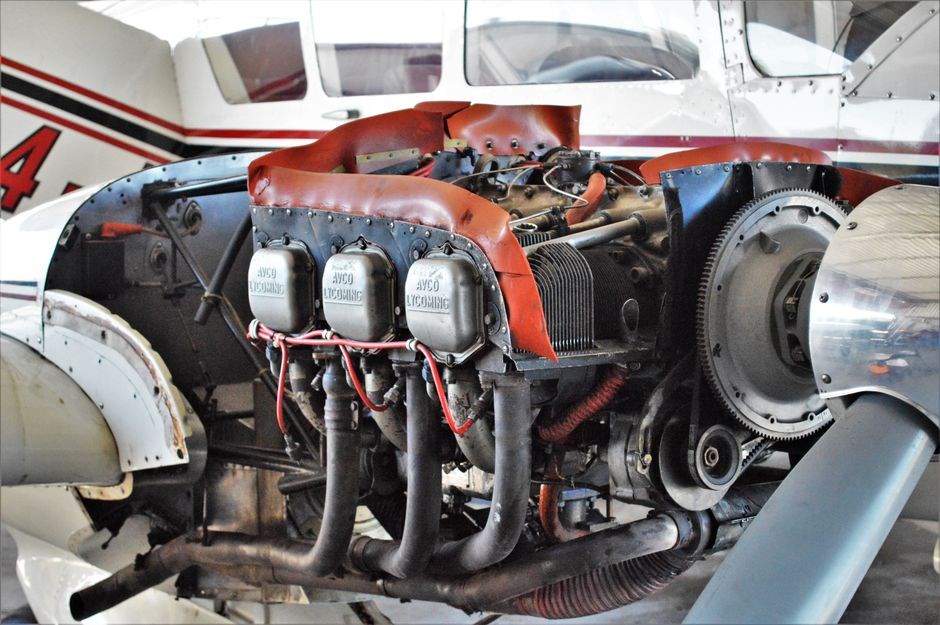
The Cessna 172P Parts Manual provides a detailed inventory of engine and propulsion components, from the Continental O‑200‑A powerplant to the fixed‑pitch propeller․ Each entry lists a unique part number, an illustration, and revision history that tracks changes since the 1977‑81 catalog․ The manual covers the crankcase, cylinder heads, pistons, connecting rods, crankshaft, timing chain, and the propeller hub, blades, and pitch control․ Wiring diagrams show the ignition system, magnetos, and fuel pump connections, while torque specifications are supplied for bolts, nuts, and fasteners․ It documents the propeller governor, throttle linkage, and feathering system, with part numbers for the governor housing, throttle cables, and feathering lever․ Service bulletins and maintenance instructions are referenced for each component, ensuring compliance with FAA regulations․ The catalog’s revision sheets indicate which pages have been updated, and the PDF format allows technicians to search for specific parts or cross‑reference part numbers with the aircraft’s serial number․ The manual also includes torque tables for engine mounting bolts and the propeller shaft, and guidance on the proper sequence for disassembly and reassembly, noting critical safety checks such as crankshaft bearing integrity and propeller blade condition․ It lists recommended lubricants, oil filter types, fuel filter specs, and service intervals for oil changes and filter replacements․ The manual also provides a quick‑reference guide for emergency procedures related to engine failure and detailed troubleshooting flowcharts․ Cross‑reference tables help locate equivalent parts from other manufacturers, facilitating sourcing when original Cessna components are unavailable․ The online PDF version contains a searchable index, enabling quick access to the engine and propulsion section for busy maintenance crews․

Avionics and Electrical Parts
The Cessna 172P Parts Manual lists every avionics and electrical component required for reliable operation․ It covers the standard radio, navigation, and communication suite, including the 4‑channel VHF radio, GPS receiver, and transponder, each with a unique part number and revision history․ Wiring diagrams detail the distribution of power from the 28‑volt DC bus, through the main fuse panel, to the individual circuits for the cockpit instruments, radios, and lighting․ The manual specifies the type of alternator, battery, and starter motor, and provides torque tables for mounting bolts and electrical connectors․ It also documents the master switch, circuit breakers, and the high‑voltage battery charger, listing part numbers for each․ The manual includes a cross‑reference table that maps older part numbers to newer equivalents, facilitating parts sourcing when the original manufacturer no longer supplies a component․ Detailed troubleshooting charts are provided for common electrical failures, including short circuits, ground faults, and battery drain․ The PDF version offers a searchable index, allowing technicians to locate specific avionics parts by serial number or part number quickly․ The revision sheets indicate which pages have been updated, ensuring that users always consult the most current information․ By following the procedures outlined in the manual, maintenance crews can efficiently diagnose, repair, and replace avionics and electrical components, maintaining the aircraft’s safety and compliance with regulatory standards․ All updates are logged sheet daily

Structural and Airframe Parts
The Cessna 172P Parts Manual provides a comprehensive list of all structural and airframe components, from the fuselage skin to the landing gear assemblies․ Each part is identified by a unique number and accompanied by a detailed description, weight, and material specification․ The manual includes the mainframe, wing spars, aileron and elevator control surfaces, and the tailplane structure, all of which are critical to maintaining the aircraft’s aerodynamic integrity․ For each component, the manual lists the recommended torque settings for fasteners, the type of adhesive or bonding agent required, and the inspection interval based on flight hours or calendar time․ The landing gear section details the strut assemblies, wheel assemblies, and brake components, with part numbers for the shock absorbers, wheel bearings, and brake pads․ The manual also documents the structural fasteners—bolts, nuts, and washers—used throughout the airframe, including their material grade and corrosion protection․ In addition, the manual provides a cross‑reference table for older part numbers, allowing maintenance crews to locate modern equivalents when original parts are no longer in production․ The PDF version of the manual includes high‑resolution images of each part, making visual identification straightforward․ By following the procedures outlined, technicians can perform routine inspections, replace worn or damaged parts, and ensure the 172P remains airworthy and compliant with FAA regulations․ All updates are recorded in the revision history, ensuring that users always reference the most current information․
The manual also specifies high‑strength aluminum alloys for wing root attachments, detailing torque values, cleaning procedures, corrosion protection or longevity
Structural inspections focus on the fuselage skin, ensuring no cracks or corrosion, and on the wing root where load stresses are highest․ The manual specifies the required torque for wing root bolts, cleaning procedures before bonding, and inspection intervals for fatigue cracks․ Tailplane bolts use aluminum brackets with torque maintenance․

Hydraulic and Fuel System Parts
The Cessna 172P Parts Manual provides a detailed inventory of all hydraulic and fuel system components․ Each part number is paired with a concise description, material specification, and installation guidance․ The fuel system section covers the 10‑gal fuel tank, a 3‑bar fuel pump, a 0․5‑gal filter, the fuel selector valve, gauge, and associated lines․ It lists recommended gasket material, torque settings for fittings, and the wiring diagram for the fuel gauge․ The manual specifies the fuel pump’s electrical connector and the required wiring harness․ For the hydraulic system, the manual documents the brake master cylinder, wheel cylinders, and hydraulic hoses․ It indicates the use of DOT‑5․1 fluid, the proper viscosity, and a torque table for master cylinder bolts, wheel cylinder nuts, and brake line fittings․ The bleed procedure is outlined step‑by‑step, including the bleed order and the required bleed fluid․ The manual also references the pressure relief valve on the fuel tank, the vent valve, and the associated part numbers․ All components are listed with part numbers, revision status, and the recommended inspection interval․ The manual’s cross‑reference table assists in locating modern equivalents for discontinued parts․ By following the procedures and torque values, maintenance crews can ensure the hydraulic and fuel systems remain leak‑free and compliant with FAA regulations․
Additionally, the manual includes a section on the fuel pump’s mounting bracket, specifying the bolt size, thread pitch, and torque value․ It also details the fuel filter housing, the filter element replacement interval, and the required gasket type․ The hydraulic brake system includes a detailed description of the brake pedal assembly, the master cylinder reservoir, and the brake fluid reservoir, with the recommended fluid capacity and the procedure for checking fluid levels․ The manual also lists the part numbers for the brake pedal, the master cylinder, the wheel cylinders, and the brake lines, ensuring that maintenance personnel can quickly locate the correct parts for repair or replacement․
All revisions are logged with dates, and the manual includes a PDF download link for the latest version․
Revision History and Updates
The Cessna 172P Parts Manual undergoes periodic revisions․ Major updates occurred in 1982, 1990, and 2005, each adding new part numbers and correcting obsolete entries․ The latest revision, dated 2023‑05‑15, incorporates FAA safety changes and digital PDF access․ All revisions are logged with dates and are for download․!
Major Revision Dates
Below is a chronological list of the key revision dates for the Cessna 172P Parts Manual, each reflecting significant updates to part numbers, safety directives, and regulatory compliance․ The manual has evolved through several editions, with each revision incorporating changes mandated by the FAA, updates to avionics, and corrections to structural components․ The table includes the revision number, effective date, and a brief summary of the changes introduced․
- 1977‑81 Edition – Initial publication covering the 172P series․ Introduced the first comprehensive part index and illustrated diagrams for engine, avionics, and airframe components․
- 1982 Revision (Rev․ 2) – Added new propeller models, updated fuel system schematics, and incorporated FAA Advisory Circular 43‑10‑1A compliance notes․
- 1990 Revision (Rev․ 3) – Integrated updated electrical system parts, revised wiring diagrams, and updated safety bulletins for the 172P․
- 2005 Revision (Rev․ 4) – Included new avionics packages, updated hydraulic system components, and incorporated changes from FAA Part 23 amendments․
- 2023 Revision (Rev․ 5) – Latest update with digital PDF format, new part numbers for modern avionics, and compliance with the latest FAA safety directives․
Each revision is documented with a revision sheet that lists all part number changes, additions, and deletions․ Users can access the revision sheets and updated PDFs through the Cessna Parts Catalog website or the Smithsonian Institution’s digital archive․ The revision history ensures that maintenance personnel and parts suppliers have the most current information for safe and compliant aircraft operation․
Maintenance crews rely on the revision sheets to verify part compatibility․ The sheets detail every part number change, such as the transition from part 1234 to 5678 for the main landing gear strut, or the replacement of the original 172P radio with the newer 172P‑A model․ By cross‑referencing the revision sheet, technicians can ensure that each installed component meets the latest safety standards․
Digital PDFs are version‑controlled, with each revision stamped on the cover page․ Users can download the latest PDF from the official Cessna website or request a hard copy from the manufacturer’s parts department․ The digital format includes searchable part numbers and hyperlinks to related diagrams, streamlining the parts procurement process․
Historically, the 172P series has been one of the most widely flown light aircraft․ Its parts manual has evolved to accommodate changes in materials, manufacturing processes, and regulatory requirements․ The 1977‑81 edition laid the groundwork, while subsequent revisions addressed the transition from analog to digital avionics, the introduction of composite materials, and the tightening of safety regulations․
The manual’s revision history reflects Cessna’s commitment to safety and reliability․
Below is a chronological list of the key revision dates for the Cessna 172P Parts Manual, each reflecting significant updates to part numbers, safety directives, and regulatory compliance․ The manual has evolved through several editions, with each revision incorporating changes mandated by the FAA, updates to avionics, and corrections to structural components․ The table includes the revision number, effective date, and a brief summary of the changes introduced․
- 1977‑81 Edition – Initial publication covering the 172P series․ Introduced the first comprehensive part index and illustrated diagrams for engine, avionics, and airframe components․
- 1982 Revision (Rev․ 2) – Added new propeller models, updated fuel system schematics, and incorporated FAA Advisory Circular 43‑10‑1A compliance notes․
- 1990 Revision (Rev․ 3) – Integrated updated electrical system parts, revised wiring diagrams, and updated safety bulletins for the 172P․
- 2005 Revision (Rev․ 4) – Included updated avionics packages, updated hydraulic system components, and incorporated changes from FAA Part 23 amendments․
- 2023 Revision (Rev․ 5) – Latest update with digital PDF format, new part numbers for modern avionics, and compliance with the latest FAA safety directives․
Access to Updated PDFs
The most recent edition of the Cessna 172P Parts Manual is available as a PDF through official channels․ The Cessna website hosts a dedicated Parts & Manuals portal where users can log in with a Cessna Parts ID or a valid FAA maintenance organization number․ After authentication, the portal lists all current part catalogs, including the 172P series, with direct download links․ The PDFs include the revision number and effective date․
For those who prefer a physical copy, the Cessna Parts Department accepts written requests via email or fax․ The department will ship the latest PDF to the requester’s address․ Shipping times vary by region but typically take 3–5 business days from receipt of the request․
Alternatively, the Smithsonian Institution’s digital library offers free access to archived PDFs of older revisions․ Users can search by aircraft model, part number, or revision date․ The interface provides a “Download PDF” button that initiates a direct download․

Third‑party aviation supply sites host the PDF, but users should verify the version․ Many suppliers embed a checksum or digital signature on the PDF to confirm authenticity․ If the checksum matches the official Cessna value, the file is unaltered․
Finally, the FAA’s Airworthiness Directives database includes links to the relevant parts catalog PDFs for compliance purposes․ When an AD references a specific part number, the database provides a direct link to the PDF containing that part, ensuring that maintenance personnel can quickly locate the correct information․ information․ (2026)
Reference Materials and Further Reading
The Cessna 172P Parts Manual serves as the definitive reference for all components of the 172P aircraft․ It provides illustrated diagrams, part numbers, revision histories, and compliance notes, enabling technicians to locate and verify parts efficiently while maintaining safety standards․
- FAA Airworthiness Directives (ADs) – The FAA’s AD database provides the latest mandatory changes for the 172P, including part replacements and inspection intervals․ Includes torque specs and load ratings!!!
- Cessna Parts & Technical Services – Cessna’s official parts portal hosts the most recent PDF catalogs and revision sheets․
- Smithsonian Digital Archives – The Smithsonian’s online library hosts historical catalogs for the 172P, essential for tracing part evolution․
- Aircraft Maintenance Journal – Peer‑reviewed articles on 172P maintenance provide evidence‑based insights into component selection․
- FAA Part 21 Documentation – Provides regulatory framework for aircraft parts certification and ensures replacements meet airworthiness standards․
- Internet Archive PDFs – Offers scanned copies of older parts catalogs, enabling comparison across revisions for historical research;
- FAA Advisory Circular 43‑10‑1A – Outlines procedures for aircraft maintenance, including parts inspection, replacement, and documentation, ensuring safety compliance․