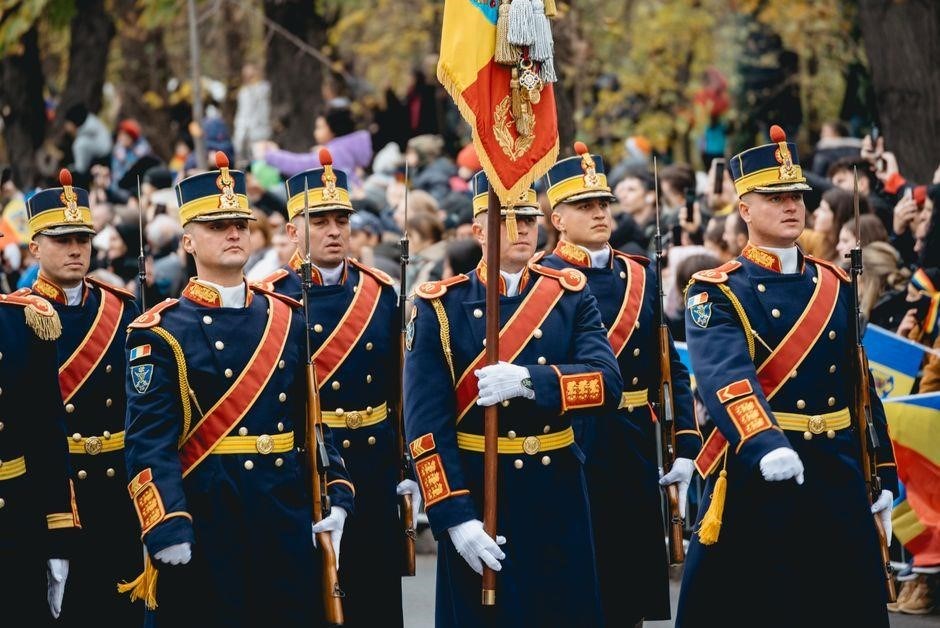
Overview of the Blue Army Uniform
The blue army uniform symbolizes heritage, discipline, and unity․ It features a tailored jacket, trousers, and a distinctive blue shade that has evolved through decades․ Designed for versatility, it balances tradition with modern functionality, ensuring soldiers project professionalism in every setting․!
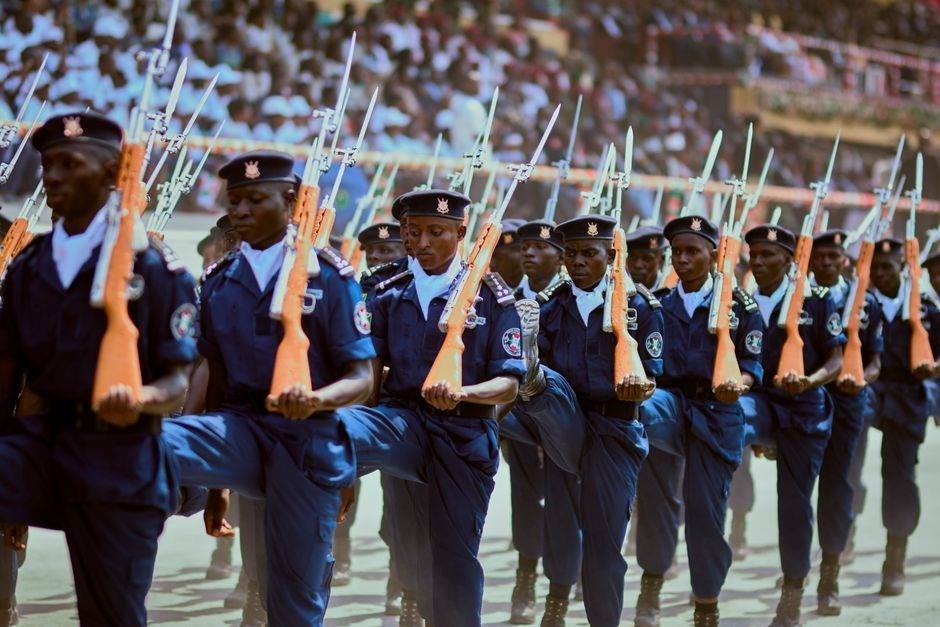
Historical Development of the Blue Dress Color
The evolution of the blue dress color in military uniforms reflects both functional needs and symbolic meanings․ Initially, the early 20th‑century forces adopted a muted navy hue to provide camouflage in coastal and naval environments․ By the 1930s, the color shifted to a deeper indigo, offering better durability against fading from sun exposure․ Post‑World War II, many armies standardized the shade to a “Field Blue,” a balanced tone that could be easily matched across branches․ In the 1960s, the introduction of synthetic fibers prompted a slight lightening of the dye to accommodate new manufacturing processes․ The 1980s saw a return to a richer, more saturated blue as part of a broader effort to reinforce national identity during the Cold War era․ Modern armies now use a precise Pantone reference, ensuring consistency across all production facilities worldwide․ This careful calibration allows for seamless interoperability during joint exercises and multinational operations․ Additionally, the color’s psychological impact—conveying authority, trust, and unity—remains a key consideration in contemporary design choices․ Thus, the blue dress color’s journey from functional camouflage to emblematic uniform demonstrates an ongoing dialogue between practicality, technology, and symbolism․
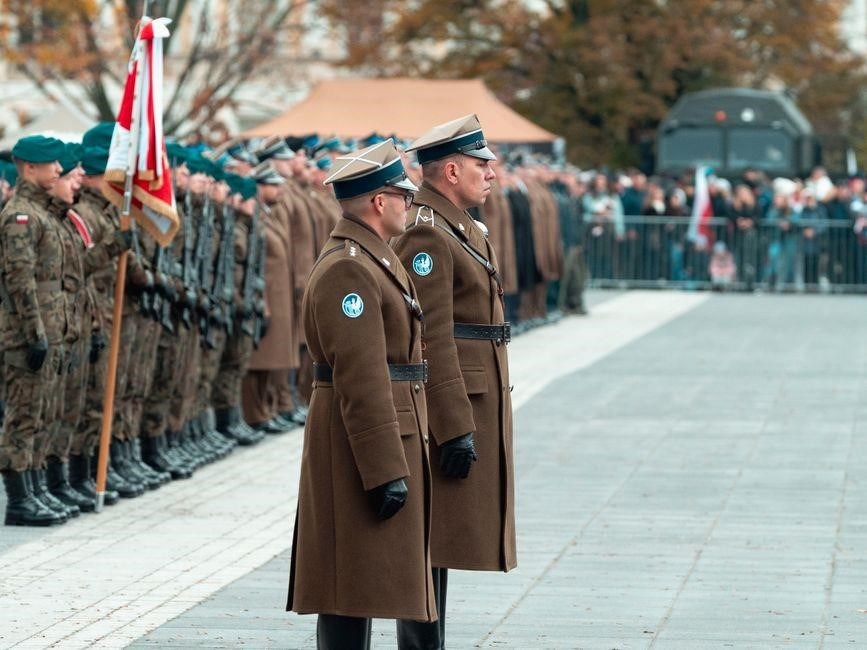
In the early 21st century the blue uniform was refined with moisture‑wicking fabrics and reinforced stitching improving comfort in varied theaters․ The shade was standardized to align with allied forces supporting joint training․ Modern regulations prioritize uniformity ensuring every member presents a cohesive disciplined appearance that honors heritage while embracing progress together for seamless interoperability worldwide across global allies for unity and global cooperation today․ now!!!․
Standard Components of the Blue Uniform
The blue army uniform is composed of several essential items that together create a cohesive, functional, and recognizable appearance․ The core elements include a tailored jacket, matching trousers, a service cap, and a distinctive insignia system․ The jacket is typically made from a durable, moisture‑resistant fabric and features a double‑button front, epaulets, and a front pocket with a flapped flap․ The trousers are cut for mobility, with reinforced knees and a subtle seam that allows for a range of motion during drills or field operations․ A service cap, often a peaked or rounded design, carries the unit’s emblem and is secured with a metal or plastic fastener․ The uniform also incorporates a set of standard accessories: a belt with a brass buckle, a service tie or neckerchief, and a set of buttons that match the jacket’s color palette․ Rank insignia are displayed on the epaulets or collar, depending on the branch, and are clearly defined by metal or embroidered stripes․ Additionally, the uniform includes a set of authorized badges and ribbons that denote qualifications, awards, or special assignments․ These are affixed to the left chest area, arranged in a prescribed order of precedence․ The overall design emphasizes practicality, with features such as hidden pockets, adjustable cuffs, and a breathable lining that adapts to varying climates․ Together, these components form a standard that balances tradition, functionality, and visual clarity, ensuring that every service member presents a professional and uniform appearance in both ceremonial and operational settings․
Regulatory Dress Codes and Standards
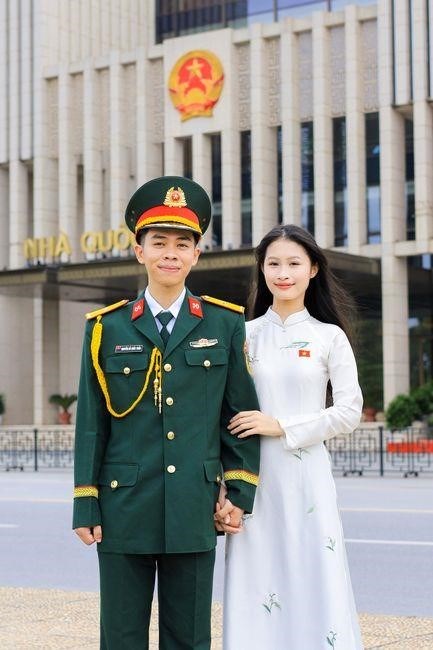
The Army’s dress code is codified in a series of regulations that dictate every detail of the blue uniform, from fabric quality to the placement of insignia․ The primary reference is Army Regulation 670-1, which outlines the approved colors, cut, and construction of each garment․ For the blue dress, the regulation specifies a dark navy blue shade (Pantone 281C) that must be uniform across all branches․ The jacket must have a double‑button front, a single‑rowed collar, and a front pocket with a flapped flap․ The trousers are required to be straight‑cut, with a reinforced knee and a single seam down the side․ The cap is a peaked service cap with a metal visor and a brass or silver buckle․ Rank insignia are displayed on the epaulets or collar, depending on the branch, and must be worn in the correct order of precedence․ All badges, ribbons, and medals are affixed to the left chest in a prescribed sequence, with the highest honors at the top․ The regulation also mandates that all accessories—belt, tie, buttons, and cufflinks—must match the uniform’s color scheme and be of approved material․ Footwear must be polished black leather boots with a low heel, and the socks must be white or black, depending on the branch․ Finally, the regulation requires that any alterations or repairs to the uniform be approved by a commanding officer, and that the uniform be inspected monthly for wear and tear․ Failure to comply can result in disciplinary action under the Uniform Code of Military Justice․ Personnel must follow these guidelines
Rank Insignia and Placement on the Blue Dress
In the blue dress, rank insignia are positioned to reflect hierarchy and ensure uniformity across all branches․ Officers wear their insignia on the epaulets of the jacket, with the number of stars or bars indicating rank, placed in the center of the right shoulder․ The insignia must be embroidered in silver thread on a white background, and the epaulet itself is a wide, flat design that extends from the collar to the cuff․ Non‑commissioned officers and enlisted personnel display their insignia on the left sleeve, centered just above the cuff․ The insignia consists of chevrons that point toward the shoulder, with the number of chevrons indicating rank․ The placement is strictly regulated: the top chevron must align with the cuff, and no more than three chevrons may be worn at once; For specialist and warrant officers, a unique insignia is worn on the right sleeve, consisting of a single star or a combination of stars and bars, depending on the rank․ All insignia must be worn with the jacket buttoned and cuffs rolled to the appropriate length․ The regulations also stipulate that insignia must be clean, free of wear, and replaced if damaged․ The placement of insignia on the blue dress is designed to promote quick identification of rank during ceremonies, inspections, and operational duties․ Proper placement not only adheres to tradition but also upholds the Army’s standards of professionalism and discipline․ On the peaked cap, a metal insignia is affixed to the front, representing the wearer’s branch and rank․ The insignia must be centered and mounted on a brass plate․ For officers, the plate bears a silver star; for NCOs, a bronze star․ The cap insignia is worn only during formal dress․ The regulations also require that the insignia be inspected during uniform checks, and any discrepancies must be corrected immediately․ The Army also issues a special insignia for those with combat or special qualifications, such as the airborne tab or the Ranger tab, which are worn on the left sleeve above the rank insignia․ These tabs are embroidered in gold thread and must be kept in pristine condition․ The placement of these tabs is critical: they must not overlap with the rank insignia or any other badge․ The regulations provide a detailed diagram of the exact positions on the sleeve, ensuring consistency across all units․ In addition to visual placement, the regulations specify the size of each insignia․ Officers’ epaulet insignia must be 2 inches tall, while enlisted chevrons must be 1․5 inches tall․ The width of the insignia is proportionally adjusted to maintain visual balance․ These dimensions are measured from the top of the insignia to the bottom, and from the left edge to the right edge․ Any deviation from these measurements is considered a uniform violation․ During inspections, a uniform inspector will verify that each insignia is correctly positioned, properly attached, and free of any defects․ If an insignia is missing or improperly placed, the soldier is required to correct the issue within 48 hours or face a corrective order․ This rigorous enforcement underscores the importance of precision in uniform presentation․ Soldiers are also trained to recognize the insignia of their peers, fostering a sense of respect and camaraderie․ Understanding the rank insignia system helps maintain order and facilitates clear communication on the battlefield․
Uniform Accessories: Belts, Buttons, and Badges
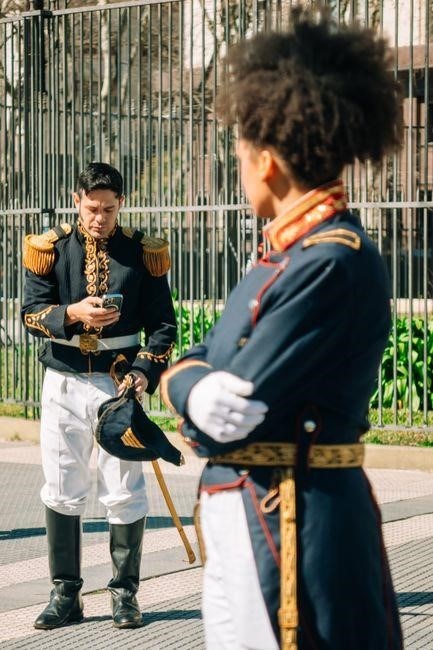
Belts, buttons, and badges are the finishing touches that distinguish the blue dress․ The belt is a wide, navy‑colored leather strap with a polished brass buckle․ It must be worn at the waist, snug but not tight, and the buckle should be centered over the left hip․ The strap length is standardized to 28 inches for all ranks, ensuring a uniform silhouette․ Buttons are single‑rowed, brass, and spaced evenly along the front of the jacket․ The top button is always left unfastened during formal inspections to allow the epaulets to be visible․ Each button is embroidered with the Army emblem in silver thread, and the spacing between buttons is measured at 1․5 inches․ Badges are affixed to the left sleeve and the right chest․ The left sleeve hosts the branch insignia, while the right chest carries the service medal and unit patch․ All badges must be worn in the order of precedence: first the national emblem, then the service ribbon, followed by the unit insignia․ The badges are secured with a small brass pin and must be free of rust․ The uniform regulations require that all accessories be inspected monthly․ Any missing or damaged item must be replaced within 48 hours․ Proper maintenance of belts, buttons, and badges is essential for preserving the dignity of the uniform and upholding the Army’s standards of appearance․ Each belt buckle is polished to a finish, and the strap should be inspected for fraying before each wear․ Buttons are tightened to a snug fit, ensuring no loose edges that could distract during duties!!
Footwear Specifications for the Blue Dress
Footwear for the blue dress is a critical element that balances tradition, comfort, and functionality․ The standard is a black leather combat boot, 8․5 inches tall, with a non‑slip rubber sole․ The boot must be polished to a high gloss, with no visible scuffs or cracks․ The lacing system is a double‑crisscross pattern, ensuring a secure fit․ The heel height is 1․25 inches, providing stability during marches․ For ceremonial occasions, a polished black leather dress boot is worn, featuring a single‑rowed brass buckle at the ankle․ The buckle must be centered and secured with a brass pin․ The boot’s interior lining is a breathable cotton blend, allowing moisture to evaporate․ The outsole is a rubber tread with a pattern that meets the Army’s traction standards․ All footwear must be inspected monthly for wear and tear․ Any damaged sole or broken buckle must be repaired or replaced within 48 hours․ Footwear must be worn with the correct size, measured in the Army’s standard sizing chart․ The boots should be worn with the blue dress trousers, ensuring the cuffs are tucked neatly․ The boots are also required to have a small brass insignia at the heel, indicating the wearer’s unit․ Proper footwear maintenance, including regular polishing and cleaning, is mandatory to preserve the uniform’s appearance and uphold the Army’s standards of discipline and professionalism․ All boots are inspected for wear and polish before deployment․
Field vs․ Ceremonial Variations of the Blue Dress
Field and ceremonial versions of the blue dress differ in fabric, detailing, and functional adaptations․ The field cut uses a heavier, water‑resistant cotton blend with reinforced seams, enabling durability in harsh environments․ It features a looser fit, a higher collar, and a full‑length front buttoning that allows for easier movement․ Field boots are rugged, with a thicker sole and a protective toe cap․ In contrast, the ceremonial cut is lighter, often made from a finer wool‑cotton blend, and emphasizes a tailored silhouette․ It includes a lower collar, a single‑rowed brass cuff, and a polished finish․ Ceremonial boots are sleek, with a polished leather sole and a single buckle․ Both versions share the same insignia placement, but the ceremonial version incorporates additional decorative elements such as embroidered epaulets and a polished brass badge․ The field version prioritizes practicality, while the ceremonial version prioritizes appearance and tradition․ The design incorporates a subtle embroidered pattern along the cuffs and collar, echoing historic insignia while maintaining a modern silhouette suitable for contemporary operations․ Additionally, the uniform for field features a pocket system with reinforced stitching and a secure closure for quick access to gear, maintaining a streamlined look! Finally, the uniform’s design incorporates a subtle, embroidered insignia on the left chest, a nod to heritage that remains visible in both field and ceremonial contexts for all․
Fabric Composition and Climate Adaptations
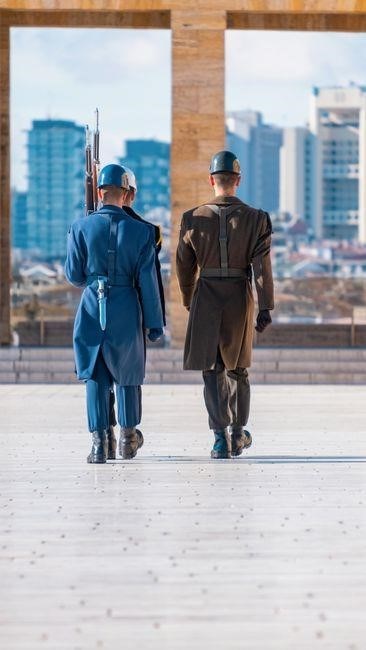
The blue army uniform’s fabric is engineered for versatility across diverse climates․ A core blend of high‑strength cotton and moisture‑wicking polyester provides breathability while maintaining durability․ In colder theaters, a lightweight wool‑polyester mix offers insulation without bulk, and in hot, humid zones the uniform incorporates a 3‑way ventilation system with mesh panels that channel airflow․ UV‑blocking fibers are woven into the outer layer to protect soldiers from intense sunlight․ The material’s finish is treated with a water‑repellent coating that resists rain and mud, yet remains breathable to prevent overheating․ For desert operations, a reflective striping is integrated into the fabric to reduce heat absorption, while in alpine environments the uniform includes a thermal‑reflective lining that traps body heat․ The seams are reinforced with double stitching and heat‑sealing to prevent fraying under extreme conditions․ Additionally, the uniform’s fabric is engineered to resist mildew and odor buildup, ensuring long‑term comfort․ The combination of these features allows the blue dress to adapt seamlessly from arctic cold to tropical heat, maintaining functionality, comfort, and a polished appearance in every operational context․
The uniform’s fabric also incorporates a layer that actively disperses sweat, keeping the wearer dry and reducing the risk of skin irritation․ In deployments, the material’s weave allows for heat dissipation, preventing overheating during strenuous activity․ For maritime environments, a coating protects the fibers from corrosion, extending garment life․ The design balances weight and durability, ensuring the blue dress remains functional, comfortable, and visually consistent across all operational scenarios․ Its breathable weave also supports cooling․ and tough firm․
Care and Maintenance Guidelines
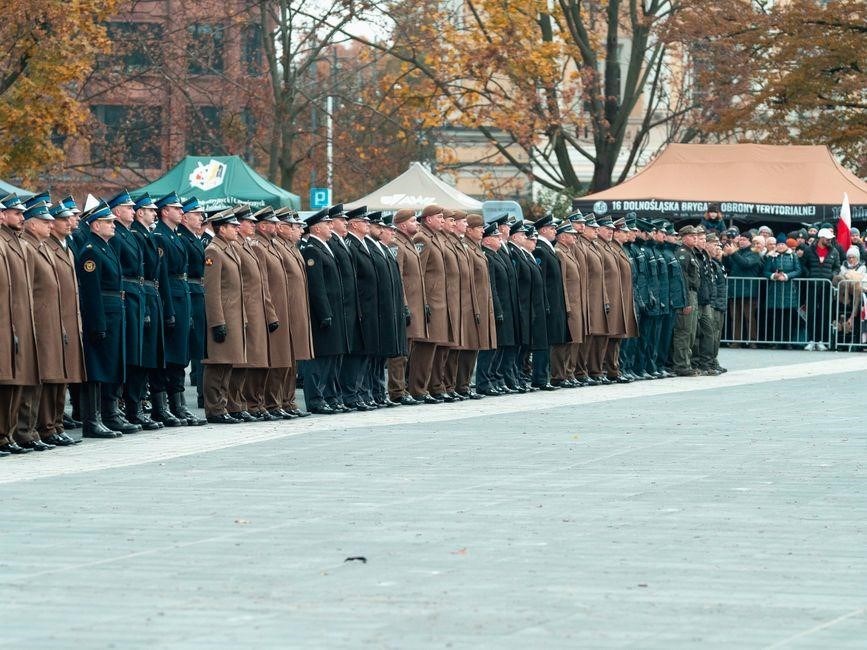
Proper care preserves the blue army uniform’s integrity and appearance․ Begin by separating the uniform from other garments; wash only with approved, mild detergents that do not contain bleach or fabric softeners․ Use a cold or lukewarm cycle, selecting a gentle or military‑grade setting to avoid excessive agitation․ After washing, rinse thoroughly to remove detergent residue, which can cause discoloration․ Hang the uniform to dry on a flat surface or a dedicated line, avoiding direct sunlight that may fade the blue hue․ If a dryer is necessary, use a low‑heat setting and add a clean, dry towel to reduce static cling․ Iron the uniform on the reverse side at a moderate temperature, and only on areas that require crispness; avoid high heat on the fabric’s outer layer to prevent scorching․ For stubborn stains, pre‑treat with a non‑abrasive stain remover, applying gently with a soft brush․ Do not use harsh chemicals or bleach, as they compromise the fabric’s durability․ Store the uniform in a cool, dry place, hanging it on a padded hanger to maintain shape․ Rotate the uniform regularly to prevent prolonged pressure on seams and to allow the fabric to breathe․ When not in use, cover the uniform with a breathable garment bag to protect it from dust and moisture․ Follow the manufacturer’s specific instructions for any special components, such as insignia or badges, ensuring they remain clean and secure․ By adhering to these guidelines, the blue army uniform will retain its crisp, professional appearance for years of service․ Maintain proper hygiene!
Modernization Efforts and Contemporary Updates
Recent reforms have re‑engineered the blue dress to meet evolving operational demands․ Lightweight moisture‑wicking fabrics replace heavy wool blends improving comfort in hot climates while retaining the classic hue․ Integrated ballistic panels now offer optional protection without compromising mobility․ Design tweaks include a slimmer cut reinforced elbows and a modular pocket system that allows soldiers to carry mission‑specific gear․ Digital camouflage patterns are available for field use yet the ceremonial version preserves the traditional lapel and epaulettes․ Updated insignia panels use laser‑etched metal to reduce weight and enhance durability․ The Army’s “Smart Uniform” initiative incorporates RFID tags for inventory management and biometric sensors for health monitoring․ These sensors track body temperature heart rate and hydration levels feeding data to command centers for real‑time decision making․ Training modules now cover proper donning of the new fabric ensuring that the uniform’s stretch properties are respected․ Feedback from active units has guided iterative changes balancing heritage with technology․ The updated blue dress remains a symbol of pride now equipped to support modern warfare’s physical and informational demands․
Key modernization highlights:
- Fabric: 30% recycled polyester, 70% nylon for breathability․
- Modular design: detachable sleeves for extreme temperatures․
- Smart tech: embedded health monitors and RFID․
Uniform Regulations for Women in the Army
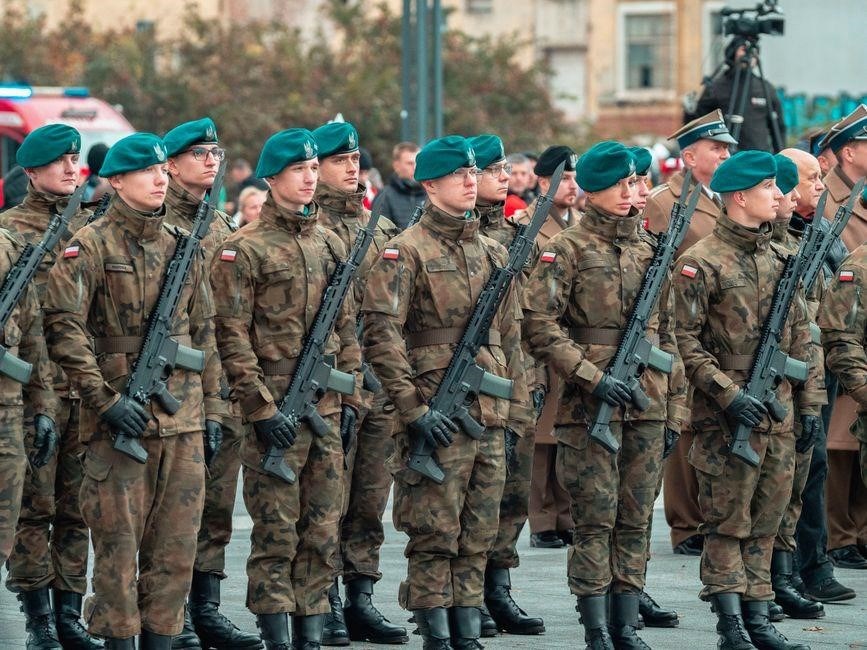
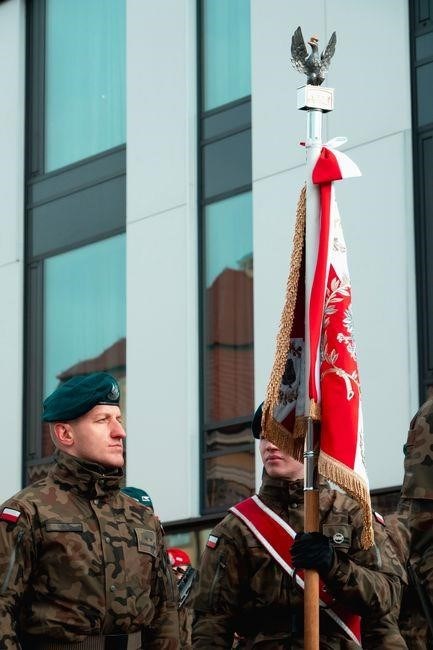
Women’s blue dress regulations mirror the male standard while incorporating tailored fits that respect anatomical differences․ The jacket is cut with a slightly narrower chest and a tapered waist, and the trousers feature a lower rise and a slimmer leg to provide a balanced silhouette․ A fitted blouse or shirt with a discreet collar and modest neckline is required․ The uniform includes a single‑sleeve jacket, matching trousers, and a waistcoat for ceremonial duties․ Lapels match the male width, but buttons are positioned to align with the woman’s natural shoulder line․ Insignia placement follows the same guidelines: rank on the left chest, unit on the sleeve, and national insignia on the back․ All insignia must be worn in the correct order and secured with the prescribed adhesive․ Belts are adjustable to fit the wearer’s waist; the buckle is smaller to accommodate a more feminine aesthetic․ Footwear must be polished black leather shoes with a thin, adjustable belt․ Headgear, gloves, and scarves must comply with the specified color and material standards․ The uniform is subject to the same inspection and maintenance schedule as the male counterpart, ensuring that all components remain in pristine condition․ These regulations guarantee that female soldiers present a uniform appearance that upholds the Army’s traditions while acknowledging modern gender considerations․ Uniforms symbolize pride eve!
Specialized Units: Blue Dress Modifications
Specialized units—such as airborne, special forces, and ceremonial guard—receive tailored blue dress variations to meet mission demands and ceremonial precision․ Airborne troops add a lightweight, breathable fabric layer beneath the standard jacket, allowing rapid temperature regulation during high‑altitude operations․ The jacket’s cuffs are reinforced with a detachable, moisture‑wicking insert that can be removed for field duties․ Special forces incorporate a covert patch system: small, low‑profile insignia sewn into the inner lining, ensuring identification without compromising stealth․ Ceremonial units retain the classic cut but feature a satin‑trimmed collar and a subtle, embroidered national emblem on the breast pocket, signifying honor and tradition․ All units must maintain the same color fidelity—Pantone 286C—yet fabric choices vary: cotton‑blend for everyday wear, polyester‑spandex blends for agility, and wool‑suede for formal occasions․ Belt buckles are standardized but can be swapped for unit‑specific symbols, such as a parachute icon for airborne or a sword for ceremonial guards․ Footwear remains black leather but may include a reinforced toe for combat units․ These modifications preserve uniformity while addressing operational needs, ensuring each soldier’s attire reflects both duty and distinction․ Uniform standards also allow for a small, removable insignia patch on the right sleeve, enabling rapid identification during joint operations without compromising the uniform’s aesthetic integrity․—nowand
Common Mistakes in Wearing the Blue Dress
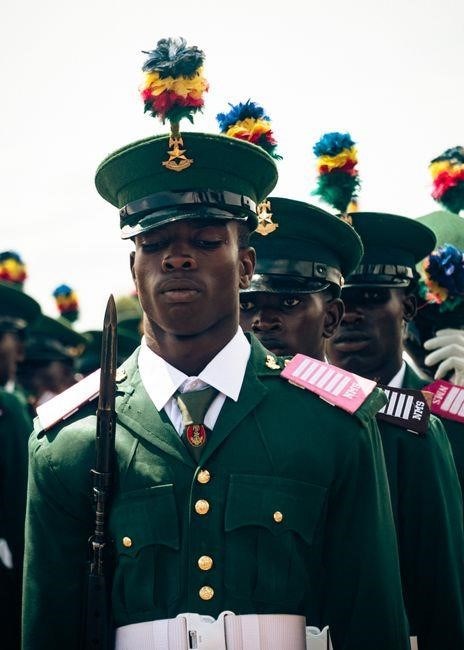
Even seasoned personnel can overlook subtle details that compromise uniform integrity․ The most frequent errors begin with the jacket’s lapel: a slanted or uneven collar can signal neglect․ The soldiers often misalign the epaulets, placing them too high or too low, which distorts the intended silhouette․ Incorrect placement of the service ribbon—either too close to the cuff or too far from the shoulder—creates visual imbalance․ Many neglect the proper fastening of the button sequence; the front button should remain undone while the back button is secured, yet some reverse this rule․ The belt buckle is another common pitfall; a loose buckle or one that does not align with the breast pocket can give an unkempt appearance․ Footwear is frequently misjudged: polished black leather is required, but some wear shoes with visible scuffs or mismatched laces; The color of the shirt underneath must be white or light blue; a darker shade can bleed through the jacket’s lining․ Finally, the insignia placement on the sleeve is critical: it should sit at the top of the cuff, not halfway down․ Adhering strictly to these guidelines ensures the blue dress remains a symbol of professionalism and respect for tradition․ Proper grooming, including a clean, pressed shirt and polished shoes, complements the uniform’s disciplined appearance․ Uniform compliance is monitored during inspections, and any deviation can result in corrective action or disciplinary measures․ Uniform precision is a daily discipline respect․!
Where to Purchase Authentic Blue Army Uniforms
Authentic blue army uniforms must be sourced from authorized suppliers to guarantee compliance with military specifications․ The primary channel is the Army Retail Store, which offers the range of dress, service, and uniforms in the blue fabric․ These items are produced under quality control and carry the Army’s certification mark․ For those stationed overseas, the Defense Logistics Agency (DLA) Retail Services provides a secure online portal that ships to military installations, ensuring timely delivery and adherence to size charts․ Private manufacturers such as “Military Uniforms Inc․” and “Army Gear Supply” specialize in fittings and offer a variety of dress options, but buyers must verify that each product meets the Army’s uniform regulation (AR 670-1)․ A frequent mistake is purchasing from unofficial vendors who use counterfeit fabrics or incorrect insignia placement, which can lead to disqualification during inspections․ To avoid this, always request a certificate of authenticity and confirm that the uniform’s color matches the Army’s approved shade (specifically, “Army Blue” as defined in AR 670‑1)․ When ordering, use the size chart provided in the regulation, and double‑check that the sleeve length, chest width, and trouser inseam match the prescribed measurements․ For special units or ceremonial dress, consult the unit’s supply officer; they may have contracts with suppliers that provide the exact insignia and piping required․ Finally, maintain records of purchase receipts and certification documents, as these may be required during inspections or when renewing uniform’s life․ By following these guidelines, service members can confidently acquire authentic blue army uniforms that uphold the Army’s standards and preserve the uniform’s integrity!!